
TL;DR
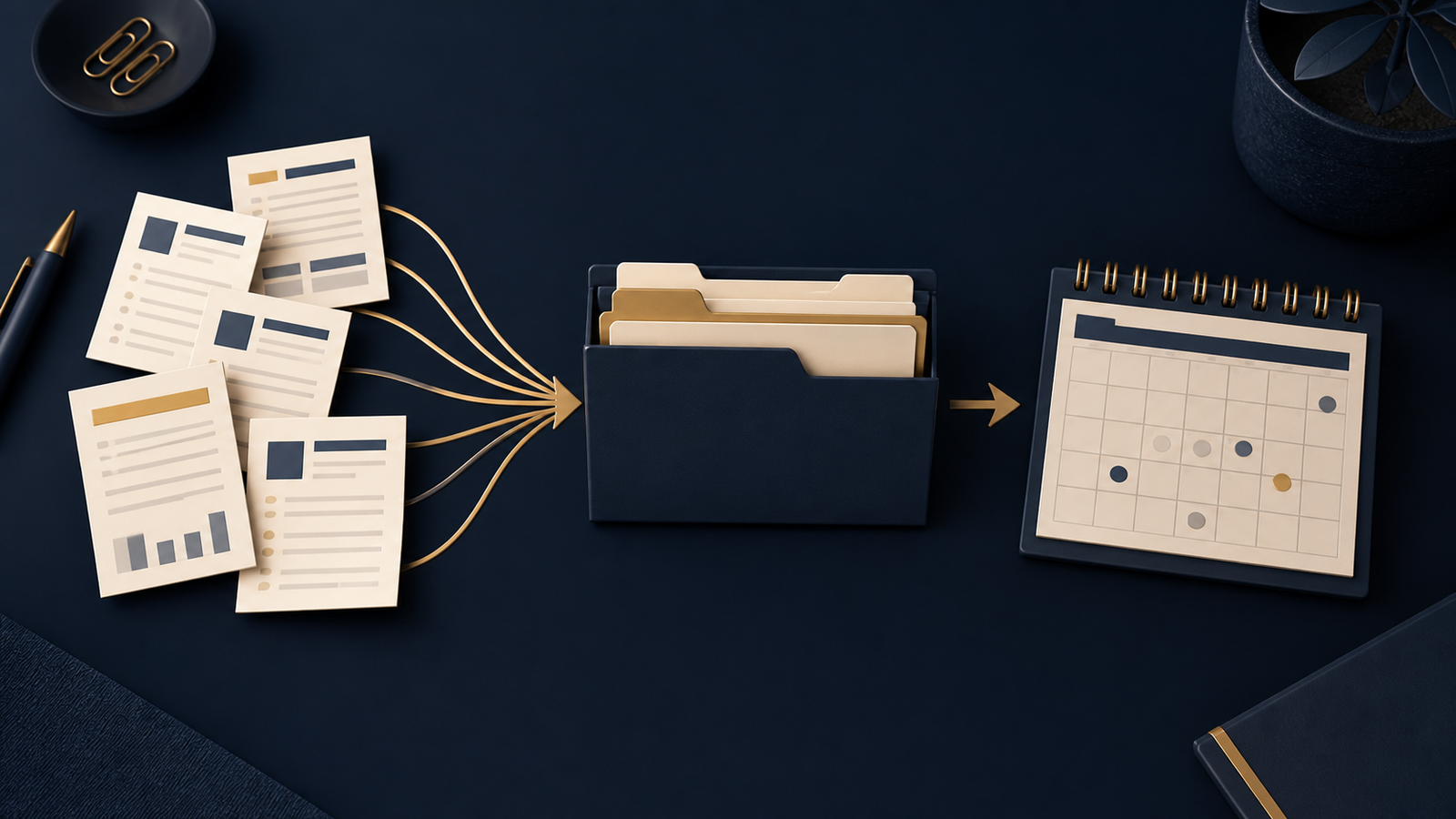
Dental care can be hard to budget for because the bill depends on the work proposed, the practice, location, timing, and any coverage or local support available to you. The practical way to reduce surprises is not to make treatment decisions from a price list: it is to get a clear estimate, compare the qualified options you are actually offered, ask how payment and follow-up work, and make a plan for an expected cost. None of those steps guarantees a lower bill, and money planning should never replace professional dental care.
Key Takeaways
- Ask for an itemised written estimate before agreeing to non-emergency work, then check what is included and what could change.
- Compare like with like: the scope of work, timing, follow-up, and payment terms matter alongside the total shown.
- Ask a dental practice which options are clinically appropriate for your situation; a lower price by itself is not a treatment recommendation.
- If you do not have coverage, verify local access options directly. Availability, eligibility, fees, and benefits vary by place and program.
- Put an expected dental expense into a simple reserve plan. For an urgent, unexpected expense, consider the boundary between that bill and your wider emergency-fund decision.
Map the type of dental cost before trying to reduce it
The first useful question is not “What should this cost?” Online averages can be old, incomplete, and irrelevant to the treatment, location, or clinical circumstances in front of you. Instead, identify the cost class and the information you need to understand it.
| Cost class | Questions to ask | Money-planning boundary |
|---|---|---|
| Routine or preventive care | What services are proposed, what is included, and when is payment due? | Plan for recurring visits only after confirming the practice’s current terms. |
| Restorative dental work | What work does the estimate cover, and what follow-up is included? | Do not compare totals unless the proposed scope is comparable. |
| Dental crowns or dental implants | What stages, materials, visits, and follow-up are included? | Do not treat a generic online price as a personal estimate. |
| Extraction or wisdom-teeth care | Is there an urgent-care or follow-up element to clarify with the practice? | Seek appropriate professional guidance; this article cannot assess urgency. |
| Orthodontics or braces | What is the expected timetable, payment timing, and review schedule? | A planned goal can be tracked as a separate dental-cost reserve. |
| Dental care without insurance | Which local access routes are currently available to me? | Verify eligibility, fees, and appointment availability with the named organisation. |

Get an estimate you can understand
A written, itemised estimate gives you something more useful than a single number: a record of the proposed work and the terms you need to clarify. Ask the practice whether the estimate identifies the services or stages included, the expected timing, and any items that may change after further assessment. If you use dental coverage, ask the coverage provider what its current document says about your plan rather than relying on a label such as “covered” or “partially covered”.
Use this short checklist when you receive an estimate:
- What work, visits, materials, and follow-up does this figure include?
- Which parts could change, and who would explain a change before it is billed?
- When is each payment expected?
- Are there clinically appropriate options the practice can explain, including differences in timing or scope?
- If I have coverage, which current plan document should I use to verify my responsibility?
If you want a broader script for discussing a bill, use a general bill-discussion checklist for the general negotiation framework. Keep this article’s dental conversation focused on the estimate and the care offered.
Compare options without comparing apples to oranges
If you have more than one qualified option to consider, build a comparison that makes differences visible. The lowest headline figure may omit a visit, a stage of work, follow-up, or a different payment schedule. Likewise, a longer timetable can change how much you need to set aside each month without making one option universally better.
| Compare this | Record it as stated | Why it matters |
|---|---|---|
| Scope of the estimate | Services, stages, and materials listed | A total is meaningful only when the underlying work is clear. |
| Timing | Dates, sequence of visits, and payment dates | Timing affects cash flow and reserve planning. |
| Follow-up | What follow-up is included or separately estimated | It prevents an incomplete comparison. |
| Payment terms | Deposit, instalments, deadlines, and conditions | Terms are practice-specific and should be confirmed directly. |
| Coverage information | Current plan-document wording | Coverage language and responsibility can be account-specific. |

Ask each practice or coverage provider to explain its own information. Do not use this table to choose a destination, product, or provider. If care is urgent or safety-related, discuss it with an appropriate professional rather than treating a cheaper option as automatically suitable.
If you do not have dental coverage
Lower-cost routes vary by location and availability. In the US, the National Institute of Dental and Craniofacial Research suggests asking dental schools about clinics and contacting state or local health departments about reduced-cost programs. In England, the NHS service finder lists dental practices, but patients still need to ask a practice whether it is accepting NHS appointments. Confirm services, eligibility, fees, documents, and appointment availability directly. Read the current terms of any dental savings plan before treating it as insurance or assuming a discount.
Plan for expected dental costs
A reserve works best when it is attached to a specific future question, not a vague fear of a large bill. If you expect to ask about braces, a crown, or another planned need, create a line in your budget after you have information from the practice. You can use a separate saving-ahead category for the mechanics of separating a planned expense from everyday spending.
Here is a reader-entered planning sheet. It contains no assumed price, date, or monthly saving amount.
| Expected need | Date to ask about it | Estimate received? | Amount set aside | Next question |
|---|---|---|---|---|
| Example: braces discussion | ___ | Yes / No | ___ | What does the written estimate include? |
| Example: routine visit | ___ | Yes / No | ___ | When is payment due? |
| Your planned dental cost | ___ | Yes / No | ___ | ___ |
A sudden dental expense can raise a different question: whether it belongs in an emergency-fund decision, a payment discussion, or both. the emergency-fund sizing guide covers the broader cash-reserve context. the zero-based budgeting guide can provide household-budget context only if its canonical URL is confirmed at drafting.
What not to do to save money
Do not skip necessary professional care because an article made the bill feel intimidating. Do not use universal price averages as a quote, assume coverage or program eligibility, or select a clinic, product, or destination from this guide. Do not compare estimates describing different work as though the lower total settles the decision.
Frequently Asked Questions
Can you negotiate dental costs?
You can ask a practice to explain the estimate, payment timing, and options it can discuss. It is not required to change a price or offer an arrangement, so do not budget around an unconfirmed outcome.
How can I save money on dental work?
Make the proposed work clear, then compare qualified options on the same scope, timing, follow-up, and terms. Verify access-program or coverage details directly. A lower number alone is not evidence an option is appropriate.
What if I need dental care without insurance?
Check an official local health-service or health-department directory where available, then contact the named organisation to verify services, eligibility, fees, and appointments.
How should I budget for braces or other planned care?
Ask for a written estimate and payment timing, then track the goal separately from routine spending. a separate saving-ahead category explains the saving structure.
Why do dental estimates vary?
Estimates can reflect different services, stages, materials, timing, follow-up, location, and coverage terms. Ask what each estimate includes before comparing it.
Sources and further reading
- U.S. National Institute of Dental and Craniofacial Research: Finding dental care
- NHS: How to find an NHS dentist in England
- NHS: Dental treatment plans, options, and costs
- NHS: Emergency and urgent dental appointments
Editorial review: KeenPurse Editorial Team reviewed this guide on August 28, 2026. Rules, prices, eligibility, product terms, and local services can change; follow the dated primary sources and verify details that apply to you.