
TL;DR
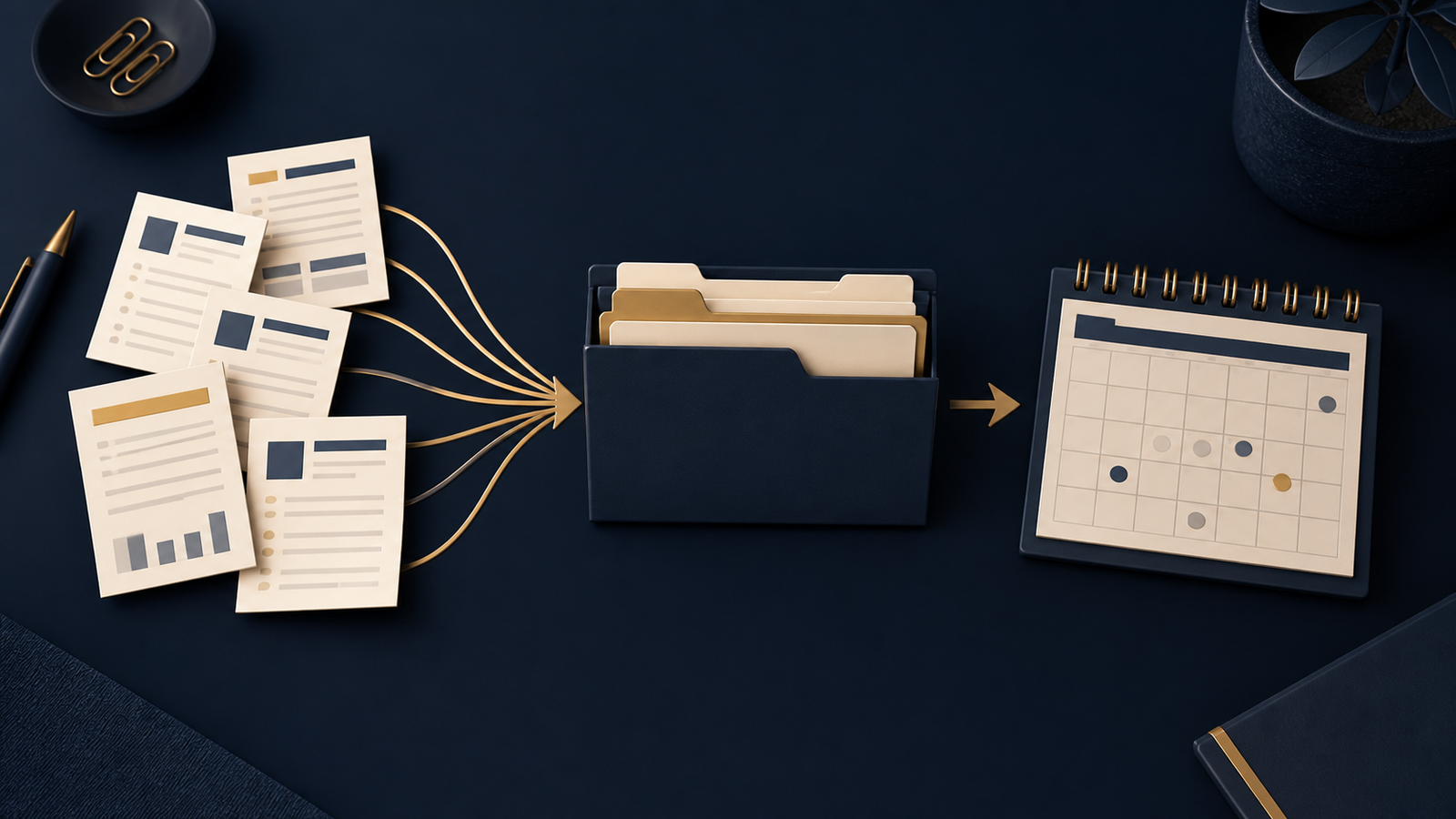
Saving money on eating out does not have to mean declaring restaurants, takeout, takeaways, fast food, and delivery off-limits. Start by treating food away from home as one category you define consistently. Review a recent stretch of spending, choose a monthly amount that fits your own budget, decide which occasions matter most, and check in before the category quietly expands.
Key Takeaways
- Define “eating out” before trying to reduce it, then count the same kinds of purchases each time.
- Use a reader-chosen category budget rather than a universal dining allowance or percentage.
- Decide ahead of time which occasions you want the category to cover, including takeout, takeaways, delivery, and fast food if they apply to you.
- Build a few realistic swaps into your routine instead of relying on a strict rule you will abandon.
- Review the category after changes in schedule, income, household needs, or habits; one unplanned purchase does not erase the plan.
Define the Category Before Trying to Cut It
The phrase “eating out” can hide a surprisingly wide range of spending. For one reader, it means restaurant meals only. For another, it includes coffee bought on the way to work, fast food, takeout or takeaways, delivery charges, and meal-delivery services. Neither definition is automatically right. The useful part is choosing one and applying it the same way from one review period to the next.
Start with your transaction history, receipts, or notes from a recent period. Put each food-away-from-home purchase in one place. If a purchase does not fit neatly, choose a rule and use it in future reviews.
| Category | Include it in an eating-out budget? | Planning note |
|---|---|---|
| Restaurant meal | Usually, if it fits your definition | Record the full occasion, not just the main meal. |
| Coffee or snack bought away from home | Your choice | Include it consistently if it is part of the habit you want to see. |
| Fast food | Usually, if it fits your definition | Keep it visible rather than folding it into groceries. |
| Takeout or takeaways | Usually | Use the same category whether you collect it or bring it home. |
| Delivery fees, tips, or order charges | Where applicable | Decide whether these are part of the meal occasion and review the total. |
| Meal-delivery service | Your choice | Keep it separate if that makes your decisions clearer. |
| Groceries | No, unless your own system says otherwise | Groceries are a different food-at-home category. |

A clear boundary helps the budget show a useful pattern. For grocery-specific tactics, use a separate grocery category.
Build a Reader-Entered Eating-Out Budget
A category budget is a decision tool, not a verdict on what you should spend. Begin with an amount you choose after looking at your overall obligations, priorities, and recent spending. Then decide how many occasions you want that amount to cover before the next check-in. The number of occasions might include restaurant visits, takeout nights, or quick stops that you have chosen to count.
Fill in your own figures; leave a cell blank until you have enough information to make a choice.
| Reader-chosen monthly amount | Planned occasions | Estimated per-occasion amount | Check-in date |
|---|---|---|---|
| Your amount | Your number of occasions | Monthly amount ÷ planned occasions (illustrative arithmetic only, not a recommendation) | Your chosen date |
| Your revised amount, if needed | Your revised number | Revised amount ÷ revised occasions (illustrative arithmetic only, not a recommendation) | Your next check-in |
The estimate is not a spending instruction. If the occasions you value do not fit the category, change the occasions, the category amount, the type of occasion, or another part of the wider budget.
If you use a broader framework, the zero-based budgeting guide can help you see where dining out sits among other discretionary choices. It should not be read as a prescribed eating-out allocation.
Choose Repeatable Swaps, Not a Perfect Rule
Rather than announcing that you will never eat out, pick one or two situations where you want a different routine. The swap should fit your schedule, preferences, and household.
For example, you might reserve restaurant occasions for plans you care about and make fewer spontaneous stops. You could choose collection or pickup rather than delivery when that option is available and works for you, while checking the actual order total first. Or you might designate some evenings for food prepared at home without turning that choice into meal-prep or nutrition guidance.
Write the swap in practical language: “When I am deciding at the end of a workday, I will check the category balance before ordering.” At the next check-in, keep what worked and replace what did not.
Plan for Takeout, Delivery, and Fast Food
These purchases may draw from the same food-away-from-home budget. “Takeout” is common in US usage, while “takeaways” is common in UK usage; either can describe food ordered to eat away from the venue.
| Term or purchase type | Category question to ask | Before-you-buy check |
|---|---|---|
| Takeout / takeaway | Does this count as an eating-out occasion in my system? | Check the planned occasions remaining. |
| Delivery | Will I count the food and all applicable order charges together? | Look at the full total before confirming. |
| Fast food | Is this a planned convenience choice or an unplanned routine? | Check the category balance and your next planned occasion. |
| Restaurant meal | Is this one of the occasions I chose in advance? | Decide whether it fits the category before ordering. |
The point is not to assume that any one format costs less. Availability, charges, terms, and totals can vary by provider and location. Avoid building a plan around a promotional offer, loyalty programme, subscription, or coupon unless you have read the current terms and can evaluate it for your own situation.
If Eating Out Has Become a Habit You Want to Change
A recurring food purchase can reflect time pressure, a commute, a social routine, or preference. Naming the trigger can help you choose a small experiment.
Observe for one review period: when do you most often buy food away from home, and what happens immediately before? Then choose one reader-defined experiment, such as planning a convenience occasion or checking the category before buying. There is no promised savings result.
If you want a short, structured pause from optional spending, a short, structured spending pause may be a companion resource. A pause can reveal patterns; it does not replace a category plan that works after the pause ends.
Link the Food Budget Together
Keep the categories distinct: groceries cover food bought for home use, and eating out covers your selected food-away-from-home definition. A no-spend period can be a temporary reset; a wider budget can show trade-offs.
For a broader pre-purchase reflection framework, see the zero-based budgeting guide. For an approved meal-prep or grocery refresh, use a separate grocery review when a canonical page is available.
Frequently Asked Questions
How can I save money when eating out?
Define what counts, review a recent period, choose a category amount and number of occasions, then use a repeatable pre-purchase check. This is a planning method, not a promise of savings.
How much should I budget for eating out each month?
There is no universal monthly amount in this guide. Use your own cash flow, obligations, priorities, and category history, then revise the amount or planned occasions when circumstances change.
Is takeout the same as dining out for budgeting?
It can be, if you decide to include it in your food-away-from-home category. The important step is consistency: record takeout or takeaways, delivery, and restaurant meals according to the definition you selected. Keep groceries separate if that makes the pattern easier to understand.
How can I stop spending so much on fast food?
Notice when fast-food purchases happen and test one small alternative that fits your routine. You might plan convenience occasions or check your category before buying. Do not expect a guaranteed result.
What is the difference between groceries and eating-out spending?
Groceries generally cover food bought for home use, while eating-out spending covers the food-away-from-home purchases you define, such as restaurant meals, takeout, takeaways, fast food, or delivery. Separate categories make it easier to review each pattern without assuming they require the same solution.
Sources and further reading
- Consumer Financial Protection Bureau: Spending tracker and cash-flow budgeting tools
- Consumer Financial Protection Bureau: Monthly budget worksheet
- For delivery charges, promotions, subscriptions, cancellation terms, and restaurant policies, check the final order screen and the provider’s current terms for your location.
Editorial review: KeenPurse Editorial Team reviewed this guide on August 28, 2026. Rules, prices, eligibility, product terms, and local services can change; follow the dated primary sources and verify details that apply to you.